The Ultimate Iconic American Adventure Awaits on America’s Most Legendary Highway
Route 66 road trip guide — these five words open the door to one of the most thrilling, culturally rich, and historically significant journeys you can take anywhere in the world. Stretching nearly 2,500 miles from Chicago, Illinois, to Santa Monica, California, this legendary highway cuts through the heart of America, connecting eight states, dozens of small towns, and countless unforgettable roadside attractions. Whether you’re a seasoned road tripper or planning your very first long-distance drive, Route 66 promises an experience that no other route on Earth can replicate.
—
What Makes Route 66 So Special?
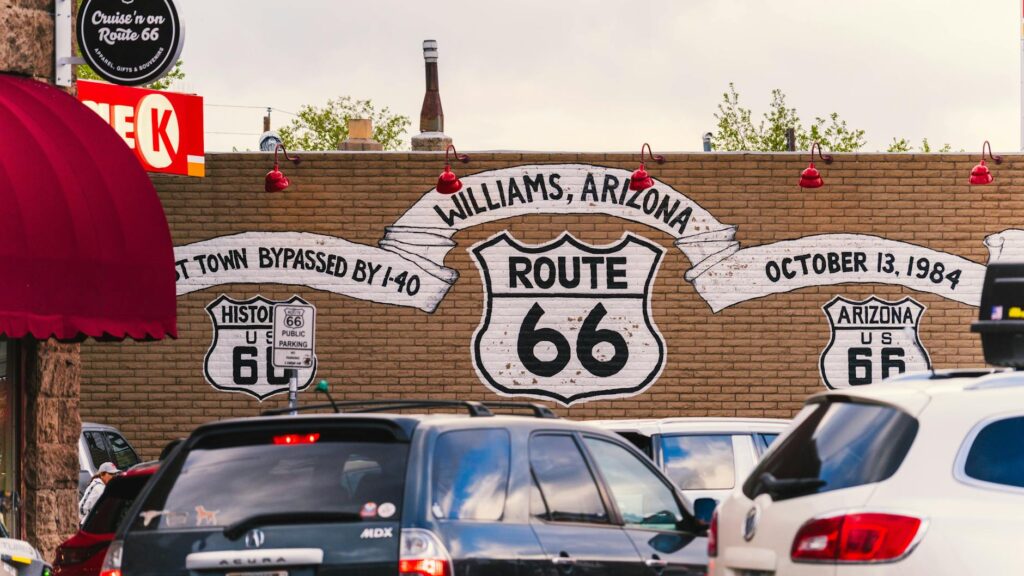
Originally established in 1926, Route 66 — often called the “Mother Road” — served as a primary migration route during the Dust Bowl era of the 1930s and later became a symbol of post-war American freedom and prosperity. Immortalized in literature, music, film, and television, the highway represents the restless American spirit and the open-road dream.
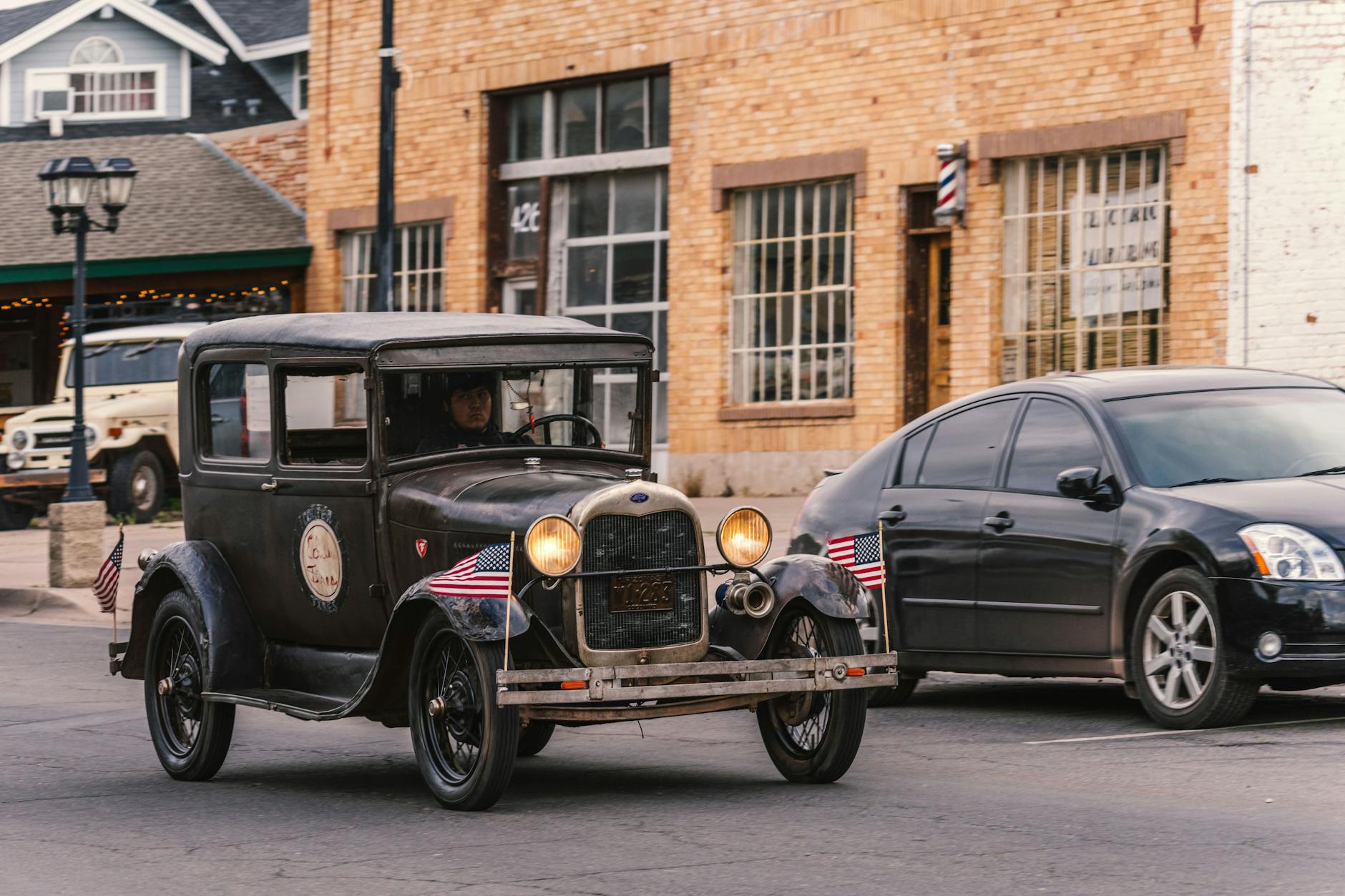
Today, while much of the original road has been bypassed by interstate highways, dedicated stretches remain intact, preserved by local communities and Route 66 preservation societies. Driving these sections feels like stepping back in time, where vintage diners, neon signs, rusted gas stations, and quirky roadside art tell the story of a bygone era.
—
Your Essential Route 66 Road Trip Guide: Planning Before You Go
Before you hit the road, proper planning makes all the difference. Here’s what you need to know:
Best Time to Drive Route 66
The ideal seasons for this iconic USA road trip are spring (April to June) and fall (September to October). Summer can be brutally hot in the desert sections of Arizona and New Mexico, with temperatures easily exceeding 100°F. Winter driving is possible but some scenic roads and small-town businesses may close.
How Long Does It Take?
Most travelers recommend two to four weeks for a comprehensive experience. A rushed two-week itinerary is possible, but taking three weeks allows you to slow down, explore detours, and truly absorb the culture at each stop.
Choosing Your Direction
Most people drive west (Chicago to Santa Monica), following the historical migration flow. However, driving east means you’ll have the sun at your back for most of the journey — a practical advantage for photography and visibility.
—
Route 66 Itinerary: State by State Highlights
Illinois: Where the Journey Begins
Start in Chicago at the official start sign on East Adams Street. Head south through Springfield, the state capital and birthplace of Abraham Lincoln, then stop at the Cozy Dog Drive In, where the corn dog was allegedly invented. The small town of Pontiac houses the Route 66 Hall of Fame and Museum — don’t miss it.
Missouri: Gateway Arch and Rolling Hills
Cross into Missouri and spend time in St. Louis, where the iconic Gateway Arch symbolizes America’s westward expansion. Continue through the Ozarks, stopping in Cuba (famous for its Route 66 murals) and the charming town of Carthage, with its beautiful courthouse.
Oklahoma: The Heart of Route 66 Country
Oklahoma contains more original Route 66 pavement than any other state. Tulsa and Oklahoma City offer urban energy, while small towns like Arcadia (home to the famous round red barn) and Stroud preserve the road’s nostalgic essence. The Blue Whale of Catoosa is one of the road’s most beloved roadside oddities — a giant turquoise whale rising from a pond.
Texas: The Panhandle Experience
Texas gives you only about 178 miles, but they’re memorable. Amarillo is the hub, and nearby Cadillac Ranch — where ten graffiti-covered Cadillacs are half-buried nose-first in a field — is one of the most photographed sites on the entire route. The town of McLean offers a slice of classic Texas panhandle life.
New Mexico: Land of Enchantment
New Mexico may be the most visually stunning stretch of the journey. Albuquerque buzzes with culture, while the ancient town of Santa Fe (a short detour worth taking) dazzles with adobe architecture and world-class art. Tucumcari is a neon-sign paradise after dark, and the town of Gallup serves as a gateway to Native American heritage and stunning red rock landscapes.
Arizona: Desert Drama and the Grand Canyon
Arizona delivers some of the most dramatic scenery of the entire trip. The Petrified Forest National Park is a surreal landscape of ancient fossilized logs. Winslow, Arizona — immortalized by The Eagles in “Take It Easy” — still has a corner where you can stand on the famous corner. The historic Wigwam Motel in Holbrook offers teepee-shaped rooms that are both quirky and iconic.
Don’t miss the Grand Canyon — just 80 miles north of the main route and absolutely non-negotiable.
California: Cruising to the Finish Line
After crossing the Mojave Desert, Barstow and San Bernardino mark your entry into California’s populated zones. Pass through Pasadena and into Los Angeles before ending your journey at the Santa Monica Pier, where a sign marks the official western terminus. Dipping your toes in the Pacific Ocean after thousands of miles on the road is a moment of pure triumph.
—
Driving Route 66 Tips: Practical Advice for the Road
Navigation
Download offline maps, as cell service can be spotty in rural stretches. A dedicated Route 66 travel app or printed Atlas can be invaluable. The National Historic Route 66 Federation’s website also provides detailed maps.
Vehicle Preparation
Have your car serviced before departing. Check tires, oil, coolant, and brakes. Carry extra water (at least a gallon per person) when crossing desert sections, and keep a basic emergency kit in your trunk.
Accommodation
You’ll find everything from chain hotels to charming historic motor courts along the route. Booking in advance is wise during peak season, especially in popular towns like Amarillo, Flagstaff, and Albuquerque. Staying in vintage motels is highly recommended for the full Route 66 experience.
Budget Planning
A complete Route 66 trip typically costs between $2,000 and $5,000 per person depending on accommodation, dining choices, and how many attractions you visit. Camping along the way can significantly reduce costs.
Food Along the Way
Route 66 is a foodie’s dream. From Chicago deep-dish pizza at the start to California fish tacos at the finish, regional cuisine tells its own story. Stop at diners, BBQ joints, and local taco stands rather than chain restaurants — these experiences are irreplaceable.
—
Why This Iconic USA Road Trip Belongs on Your Bucket List
Route 66 is more than a road — it’s a living museum, a cultural tapestry, and a meditation on what it means to be American. Every mile reveals something new: a piece of history, an unexpected piece of folk art, a friendly local eager to share stories, or a landscape so breathtaking it stops you in your tracks.
In an age of air travel and efficiency, driving Route 66 is a deliberate act of slowness, curiosity, and connection. It asks you to be present, to engage with the land and people around you, and to appreciate the journey as much as the destination.
Whether you’re seeking adventure, history, photography opportunities, or simply the romance of the open road, the Mother Road delivers on every promise. Pack your bags, fill up the tank, and let the asphalt guide you across the soul of a nation.
The road is waiting. All you have to do is drive.