Kerala Backwaters: The Complete Houseboat Guide
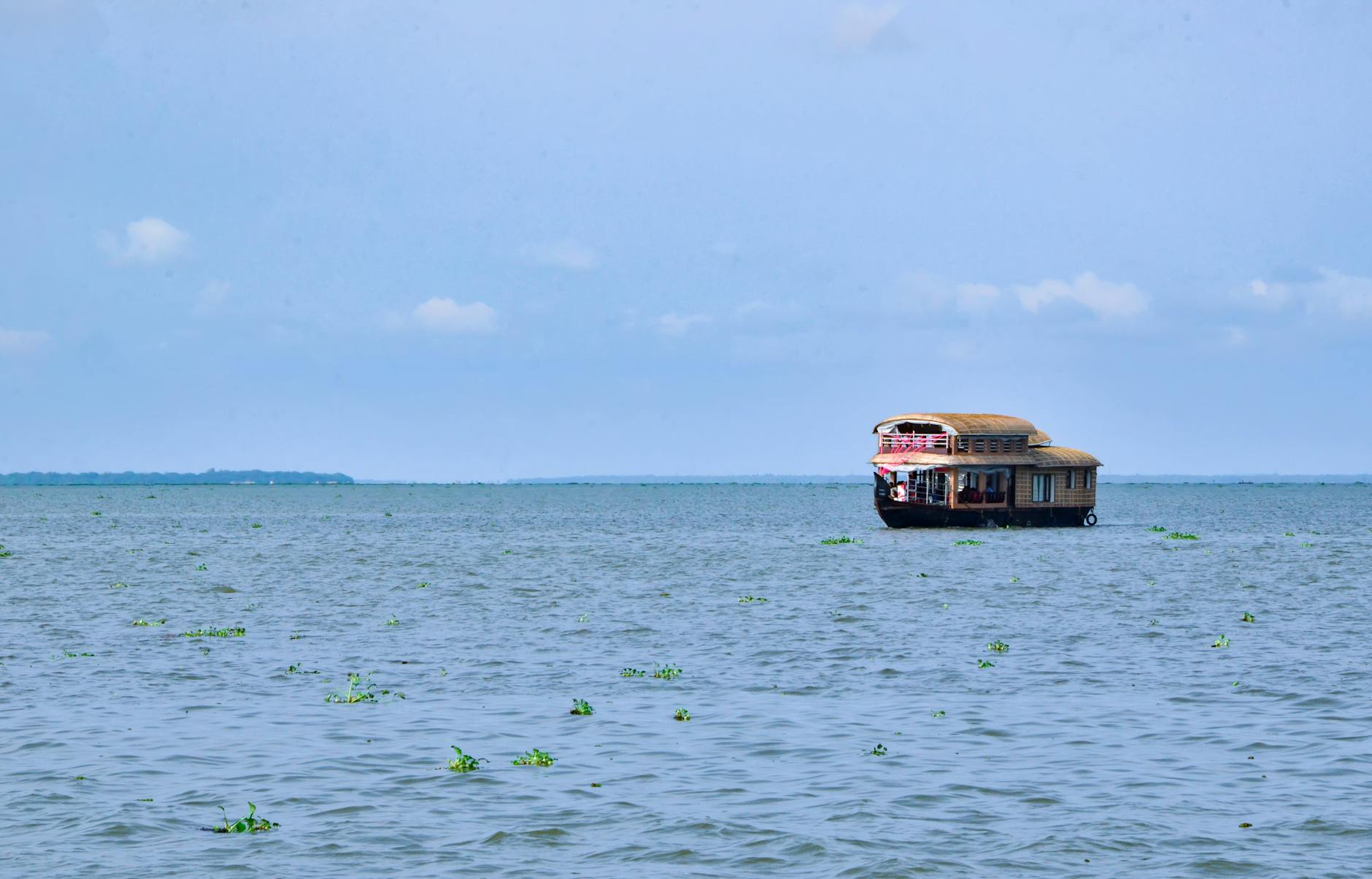
Few travel experiences in the world match the magic of drifting through the Kerala backwaters on a traditional houseboat. Gliding past swaying coconut palms, watching local fishermen cast their nets at dawn, and falling asleep to the sound of gentle water — this is the kind of journey that stays with you long after you return home.
Whether you’re planning your first trip to India or adding another chapter to an old love story with the subcontinent, this guide covers everything you need to know about experiencing a Kerala backwaters houseboat the right way.
What Are the Kerala Backwaters?
The Kerala backwaters are a vast network of interconnected canals, rivers, lakes, and lagoons stretching over 900 kilometres along the southwestern coast of India. The region covers towns like Alleppey (Alappuzha), Kumarakom, and Kollam, with Alleppey being the most popular starting point for houseboat cruises.
These waterways were once the primary trade routes of the region. Today, they’re one of India’s most iconic travel destinations.
Choosing the Right Houseboat
Not all houseboats are created equal. Here’s what to look for before you book:
Types of Houseboats
- Budget houseboats – Basic amenities, shared decks, ideal for solo travellers
- Standard houseboats – One or two bedrooms, private bathroom, air conditioning
- Premium/luxury houseboats – Multiple bedrooms, sun decks, gourmet meals, and premium interiors
What’s Typically Included
Most Kerala backwaters houseboat packages include:
- All meals (breakfast, lunch, and dinner)
- A dedicated crew — usually a captain and a cook
- Fuel and mooring fees
- Bedding and towels
Always confirm what’s included before paying. Hidden charges are common, especially for drinks and extra excursions.
Best Time to Visit Kerala
Timing your trip well makes all the difference. The best time to visit Kerala for a backwater experience is between October and March, when the weather is cool, dry, and ideal for spending long hours on the open deck.
Month-by-Month Breakdown
- October to February – Peak season. Pleasant temperatures, clear skies, and calm waters. Book in advance.
- March to May – Pre-monsoon. It gets warm, but the landscape is lush and crowds are thinner.
- June to September – Monsoon season. Heavy rainfall, but the scenery is stunning. Some travellers love this dramatic experience, though navigation can be tricky.
If you want a balance of good weather and fewer tourists, November and February are sweet spots.
Kerala Travel Tips for Houseboat Trips
Here are some practical Kerala travel tips to help your trip run smoothly:
Book directly when possible. Many online platforms add significant markups. Reach out to local operators in Alleppey directly or use well-reviewed local agencies.
Negotiate, but be fair. Bargaining is expected, but houseboats represent the livelihood of entire families. Don’t drive the price so low that it cuts into their basic income.
Pack light. Storage space is limited on most boats. A medium-sized bag is more than enough.
Bring insect repellent. Evenings near the water can bring mosquitoes, especially in shoulder season.
Respect local customs. Dress modestly when visiting villages along the route, and always ask before photographing locals.
Suggested Kerala Itinerary for a Backwater Experience
If you’re building a Kerala itinerary around the backwaters, here’s a simple structure that works beautifully:
- Day 1–2: Arrive in Kochi. Explore Fort Kochi, visit the Chinese fishing nets, and sample local cuisine.
- Day 3: Travel to Alleppey. Board your houseboat by noon and begin your cruise.
- Day 4: Full day on the water. Explore narrow village canals, stop at local temples, and watch the sunset from the deck.
- Day 5: Disembark in the morning. Head to Kumarakom or Munnar for the next leg of your journey.
This gives you a relaxed but fulfilling introduction to the backwaters without feeling rushed.
Final Thoughts
A Kerala backwaters houseboat experience is one of those rare travel moments where slowing down is the entire point. There’s no agenda beyond watching the world drift by, sharing a home-cooked meal on the deck, and letting the rhythm of the water set the pace.
Plan thoughtfully, travel respectfully, and let Kerala do the rest.