Northern Lights in Iceland: The Ultimate Guide
Iceland is one of the best places on Earth to witness the aurora borealis. With its dramatic landscapes, minimal light pollution, and long winter nights, this Nordic island offers a truly magical backdrop for one of nature’s greatest light shows. Whether you’re a first-time visitor or a seasoned traveler, this guide will help you make the most of your Iceland winter travel experience.
What Are the Northern Lights?
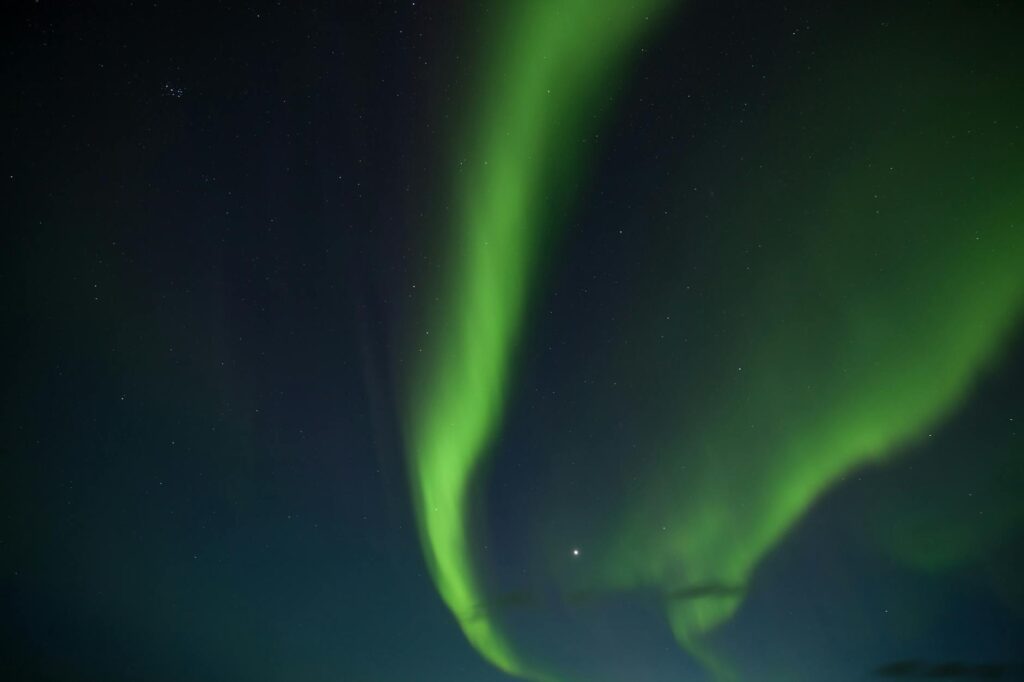
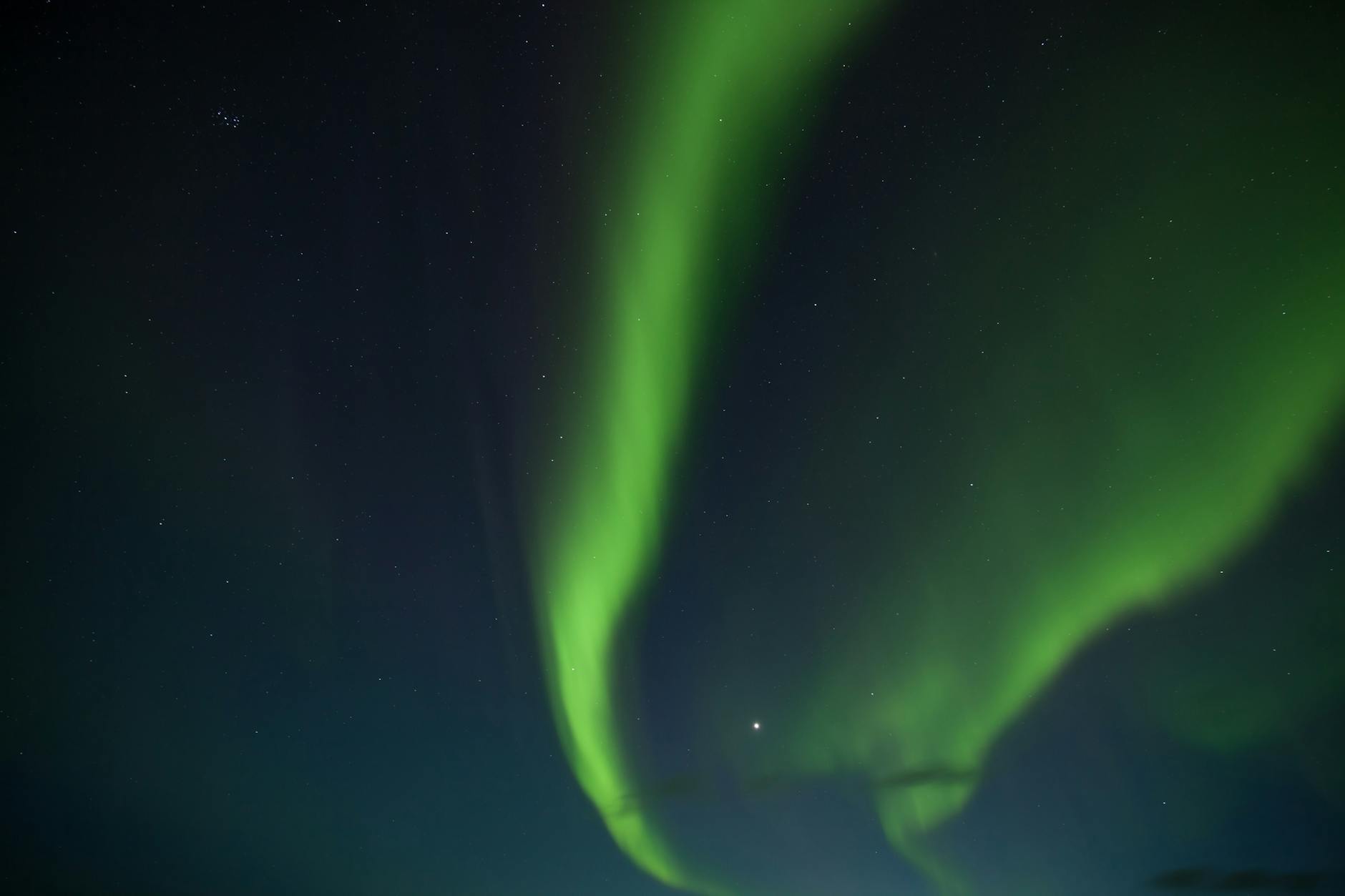
The aurora borealis is caused by charged particles from the sun colliding with gases in Earth’s atmosphere. The result is a breathtaking display of dancing greens, purples, and pinks across the night sky. Iceland sits directly beneath the “auroral oval,” making it one of the most reliable destinations in the world to see this phenomenon.
Best Time to See Northern Lights in Iceland
Timing your trip correctly is everything. The best time to see northern lights in Iceland is between late September and late March. During these months, Iceland experiences long periods of darkness, giving you the maximum number of hours to spot the aurora.
Peak Viewing Months
- October and November – Nights grow longer and the weather remains relatively mild
- December and January – The darkest months of the year with up to 19 hours of darkness
- February and March – Cold and clear skies make for excellent visibility
Midsummer visits won’t work. The midnight sun means near-constant daylight from May through July, making aurora sightings virtually impossible during those months.
Where to Go for the Best Views
Location matters just as much as timing. Getting away from city lights dramatically increases your chances of a sighting.
Top Spots to Chase the Aurora
- Þingvellir National Park – Only 45 minutes from Reykjavik with stunning natural surroundings
- Snæfellsnes Peninsula – Remote and hauntingly beautiful
- The Westfjords – Exceptionally dark skies and dramatic fjord scenery
- Vík – Famous black sand beaches that create stunning foreground contrast
- Jökulsárlón Glacier Lagoon – Icebergs reflecting the northern lights is a once-in-a-lifetime sight
Even in Reykjavik, you can sometimes spot the lights on a clear night if the aurora activity is strong enough.
Northern Lights Iceland Tips for Success
Planning ahead and knowing what to look for will save you frustration. Use these northern lights Iceland tips to stack the odds in your favor.
Check the Forecast
Download the Icelandic Met Office app or visit vedur.is. The site provides a cloud cover forecast alongside a KP index rating. A KP of 3 or higher gives you a solid chance of seeing the lights. Aim for clear, dark skies away from clouds.
Stay for at Least Five Nights
The aurora is unpredictable. Staying for multiple nights significantly increases your chances. Don’t book a one-night trip and expect guaranteed results — patience is part of the experience.
Dress for Arctic Conditions
Iceland winter travel requires serious layering. Temperatures regularly drop below freezing, and you may be standing outside for hours. Pack:
- Thermal base layers
- A waterproof outer jacket
- Insulated boots
- Gloves, hats, and wool socks
Be Ready to Move Quickly
Clouds can roll in fast. If the forecast looks good early in the evening but clouds are building, drive to a clearer area without hesitation. Having a rental car gives you the flexibility to chase clear skies.
Turn Off Your Flashlight
Your eyes need up to 20 minutes to fully adjust to darkness. Avoid using your phone screen or flashlight unnecessarily. Let your eyes adapt and you’ll see far more detail in the sky.
Photography Tips for Capturing the Aurora
Seeing the lights is incredible — photographing them makes the memory last forever. Use a wide-angle lens, set your ISO between 800 and 3200, and use an exposure time of 15 to 25 seconds. A sturdy tripod is non-negotiable.
Final Thoughts
Chasing the aurora borealis in Iceland is an unforgettable adventure that rewards patience, preparation, and flexibility. Choose the right season, escape the city lights, dress warmly, and keep your eyes on the sky. Nature doesn’t follow a strict schedule, but when the lights finally appear above Iceland’s volcanic landscape, every cold, dark hour of waiting becomes completely worth it.
Start planning your Iceland winter travel today — the northern lights are waiting.