Iceland Summer vs Winter: When Should You Visit?
Iceland is one of those rare destinations that reinvents itself with every season. Snow-dusted volcanoes, emerald valleys, steaming geysers — the landscape shifts dramatically depending on when you arrive. But with such contrasting experiences on offer, choosing between Iceland summer vs winter can feel overwhelming.
This guide breaks down exactly what each season offers so you can plan the trip that matches your travel style.
Iceland in Summer: Land of the Midnight Sun
What to Expect
Visiting Iceland in summer means experiencing one of nature’s most surreal phenomena — the midnight sun. From late May through early August, the sun barely dips below the horizon. Twilight at midnight, golden light at 2 a.m., and no true darkness for weeks on end.
For many travelers, this alone makes summer the most magical time to visit.
The Best of an Icelandic Summer
Summer opens up Iceland in ways that winter simply cannot. Here’s what you gain:
- Lush green landscapes across the highlands and coastal cliffs
- Access to the interior, including the stunning Highlands and F-roads
- Puffin watching along the Westfjords and Látrabjarg cliffs
- Longer hiking windows with up to 24 hours of usable daylight
- Whale watching season at its peak in Húsavík
The famous Landmannalaugar trek, the Fimmvörðuháls trail, and camping under the midnight sun are experiences unique to this season.
The Downsides of Summer
It’s peak tourist season, which means higher prices, busier attractions, and the need to book accommodation well in advance. The Golden Circle and popular waterfalls like Seljalandsfoss can feel crowded in July and August.
Iceland in Winter: Chasing the Northern Lights
What to Expect
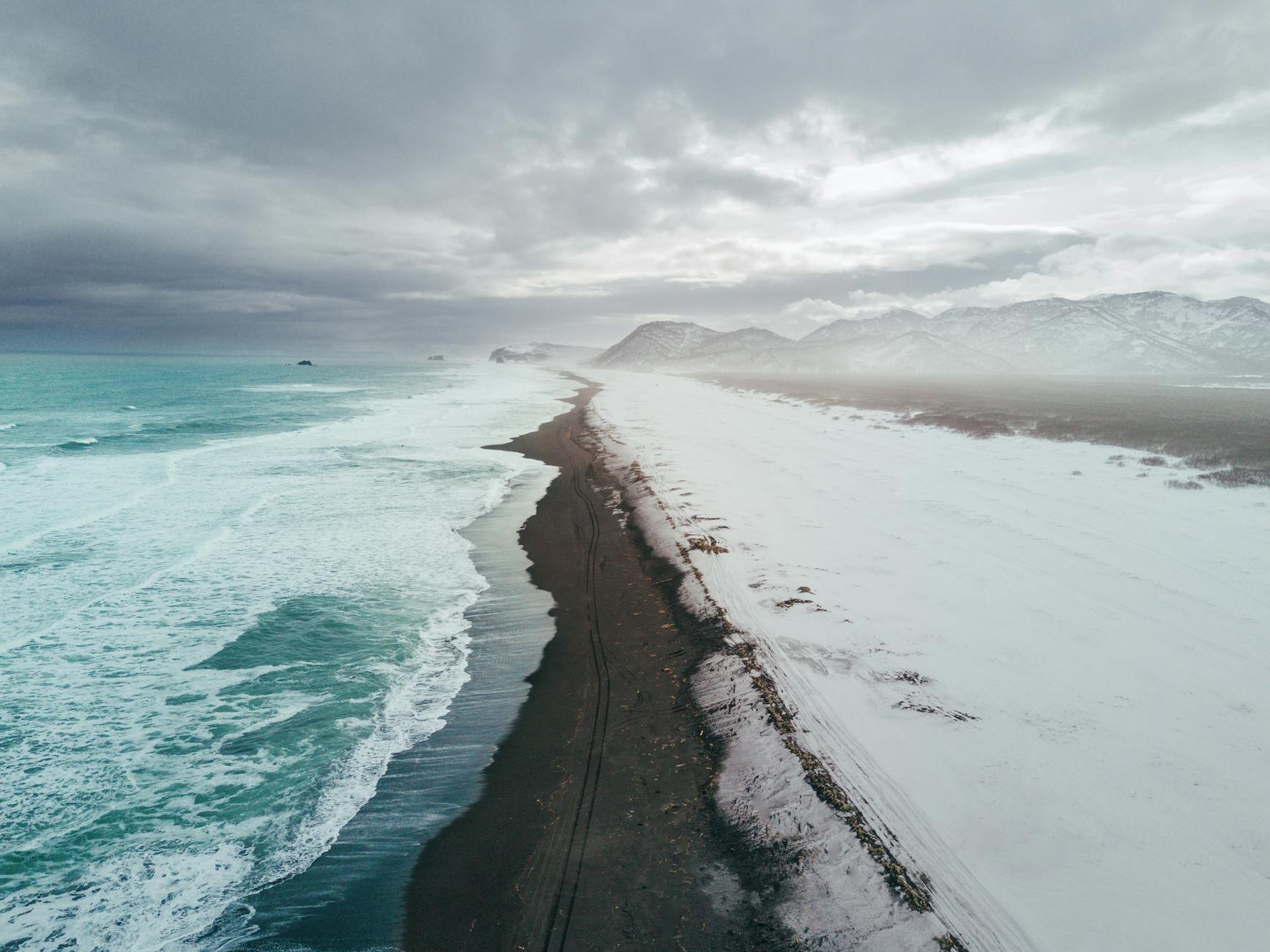
When to visit Iceland for the aurora borealis? Winter is your answer. From late September through March, Iceland transforms into a dark, dramatic wilderness where the northern lights dance across the sky almost every clear night.
Winter also brings snow-covered mountains, frozen waterfalls, and a quieter, more intimate version of the country.
The Best of an Icelandic Winter
- Northern lights viewing with long, dark nights ideal for aurora hunting
- Ice cave tours in Vatnajökull glacier (only accessible in winter)
- Fewer tourists at major landmarks
- Cosy culture — think hot springs, wool blankets, and candlelit cafés
- Christmas and New Year celebrations with festive atmosphere in Reykjavík
The Blue Lagoon feels especially magical when steam rises against a snow-covered sky, and glacier hikes take on a whole new dimension when the landscape is buried in white.
The Downsides of Winter
Daylight is limited — sometimes as few as four to five hours in December. Some highland roads are completely closed, and weather can be unpredictable and harsh. If you’re planning road trips around the Ring Road, conditions require extra preparation and a suitable vehicle.
Iceland Summer vs Winter: A Quick Comparison
| Feature | Summer | Winter |
|---|---|---|
| Daylight | Up to 24 hours | 4–6 hours |
| Northern Lights | Not visible | Best viewing |
| Hiking | Excellent | Limited |
| Ice Caves | Closed | Open |
| Crowds | High | Low |
| Prices | Higher | Lower |
| Puffins & Wildlife | Abundant | Minimal |
So, When Should You Visit Iceland?
The honest answer is: it depends entirely on what you want.
Choose summer if you want to:
- Hike the highlands and interior trails
- Experience the midnight sun Iceland is famous for
- See puffins, whales, and vibrant green scenery
- Have flexible travel days with endless light
Choose winter if you want to:
- Chase the northern lights on clear, dark nights
- Explore ice caves inside glaciers
- Avoid the tourist rush and enjoy lower rates
- Experience Iceland’s moody, cinematic atmosphere
What About the Shoulder Seasons?
September and October offer a compelling middle ground — some aurora activity begins, the summer crowds have thinned, and the autumn colours add warmth to the landscape. April and May provide increasing daylight, lower prices, and a fresh, uncrowded feel.
Final Thoughts
Iceland doesn’t really have a bad time to visit — just different reasons to go. Whether you’re drawn to the otherworldly glow of the midnight sun or the electric shimmer of the aurora borealis, this Iceland seasons guide should help you match your expectations with the right time of year.
Plan ahead, pack for all weather, and prepare to be genuinely stunned.