The Ultimate Safari, Kilimanjaro & Zanzibar Guide for Two Incredible Weeks
Tanzania itinerary 2 weeks is the dream adventure that countless travelers around the world put at the top of their bucket lists — and for very good reason. This East African nation offers a breathtaking combination of world-class wildlife safaris, towering volcanic peaks, ancient Swahili culture, and pristine white-sand beaches that are difficult to match anywhere else on the planet. Whether you’re a first-time visitor or a seasoned traveler returning for more, spending two full weeks in Tanzania gives you just enough time to scratch the surface of its extraordinary diversity.
This guide will walk you through how to make the most of 14 days in Tanzania, covering everything from the iconic Serengeti to the spice-scented streets of Zanzibar.
—
Why Tanzania Should Be Your Next Travel Destination
Tanzania is more than just a safari destination. It’s a country where you can stand on the roof of Africa, watch millions of wildebeest thunder across the plains, and then unwind on a turquoise beach — all in the span of two weeks. As a Tanzania travel guide, this article aims to show you the full spectrum of what’s possible.
The country is home to some of the world’s most significant natural wonders, including:
– Mount Kilimanjaro – Africa’s highest mountain at 5,895 meters
– Serengeti National Park – famous for the annual Great Migration
– Ngorongoro Crater – often called the “Garden of Eden”
– Zanzibar Archipelago – a UNESCO-listed Stone Town and crystal-clear waters
– Tarangire National Park – known for massive elephant herds and ancient baobab trees
With so much to see, planning is everything.
—
Tanzania Itinerary 2 Weeks: Day-by-Day Breakdown
Days 1–2: Arrival in Arusha — Your Safari Gateway
Most international flights into Tanzania arrive in Dar es Salaam or Kilimanjaro International Airport. Arusha is the natural starting point for northern Tanzania’s safari circuit. Spend your first couple of days acclimatizing, exploring Arusha’s vibrant local markets, visiting the Cultural Heritage Centre, and doing any last-minute gear shopping if you’re planning a Kilimanjaro climb.
Take a short trip to Arusha National Park for a gentle introduction to Tanzanian wildlife — it’s compact, affordable, and underrated compared to its famous neighbors.
—
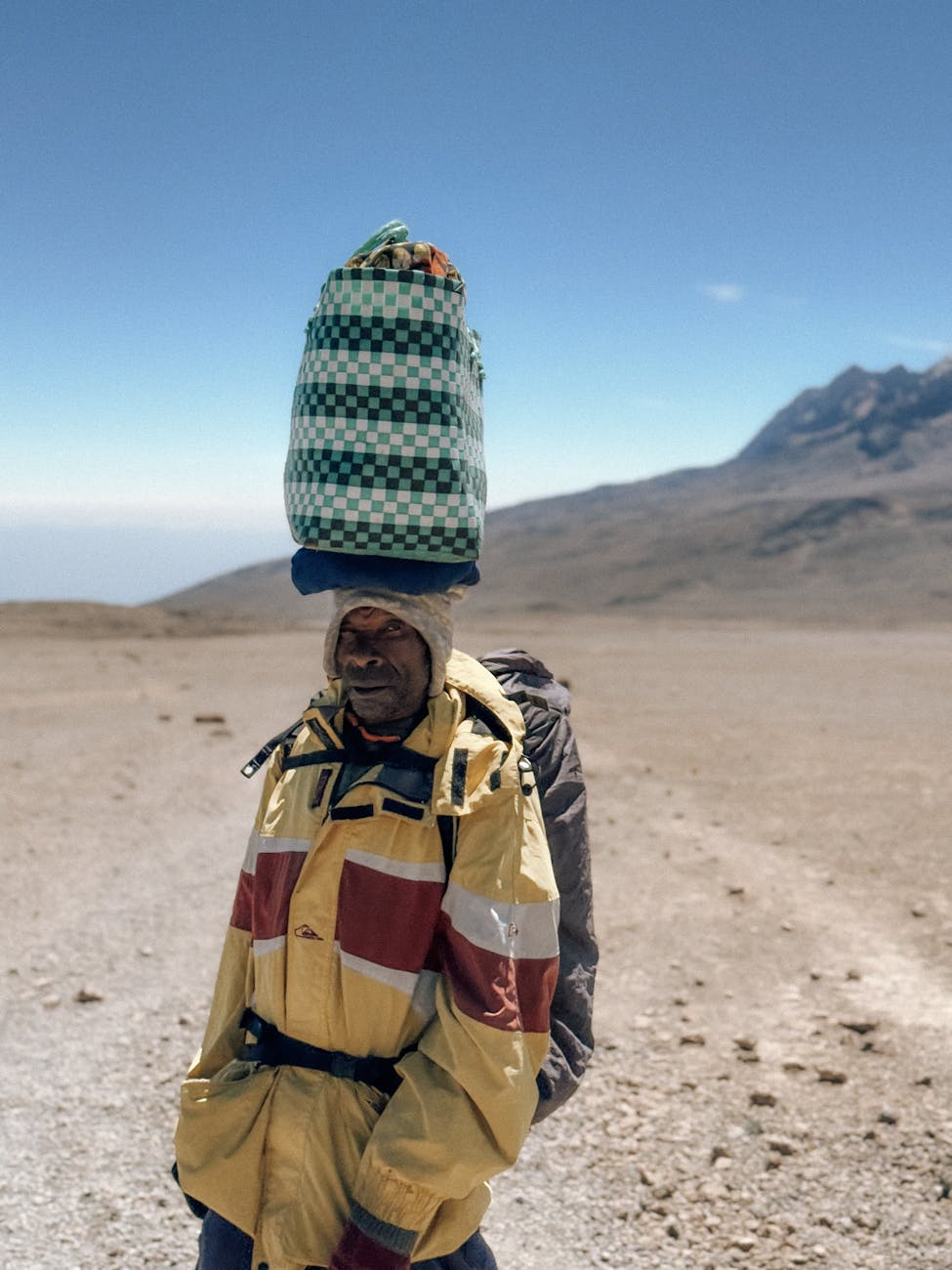
Days 3–6: Mount Kilimanjaro Trek (Optional but Unforgettable)
For those with a sense of adventure and reasonable fitness, a four-day Marangu or Rongai route trek up Kilimanjaro can be incorporated into your two-week plan. While summit attempts typically take 6–8 days for better acclimatization, shorter treks to lower camps like Mandara Hut (Marangu Route) still offer unforgettable views and a taste of this legendary mountain.
If summiting is a priority, consider allocating a full week to Kilimanjaro and adjusting the safari portion accordingly. For the purposes of this Tanzania itinerary 2 weeks plan, we’ll include a three-day trekking experience.
Tips for Kilimanjaro:
– Book a licensed guide and registered operator
– Layer your clothing — temperatures drop dramatically at altitude
– Stay hydrated and walk slowly (“pole pole” in Swahili)
– Best months: January–March and June–October
—
Days 7–8: Tarangire National Park
After descending from Kilimanjaro or arriving fresh in Arusha, head southwest to Tarangire National Park — one of the best places to visit in Tanzania that many travelers overlook. This park is magical, especially during the dry season (June–October), when thousands of animals concentrate around the Tarangire River.
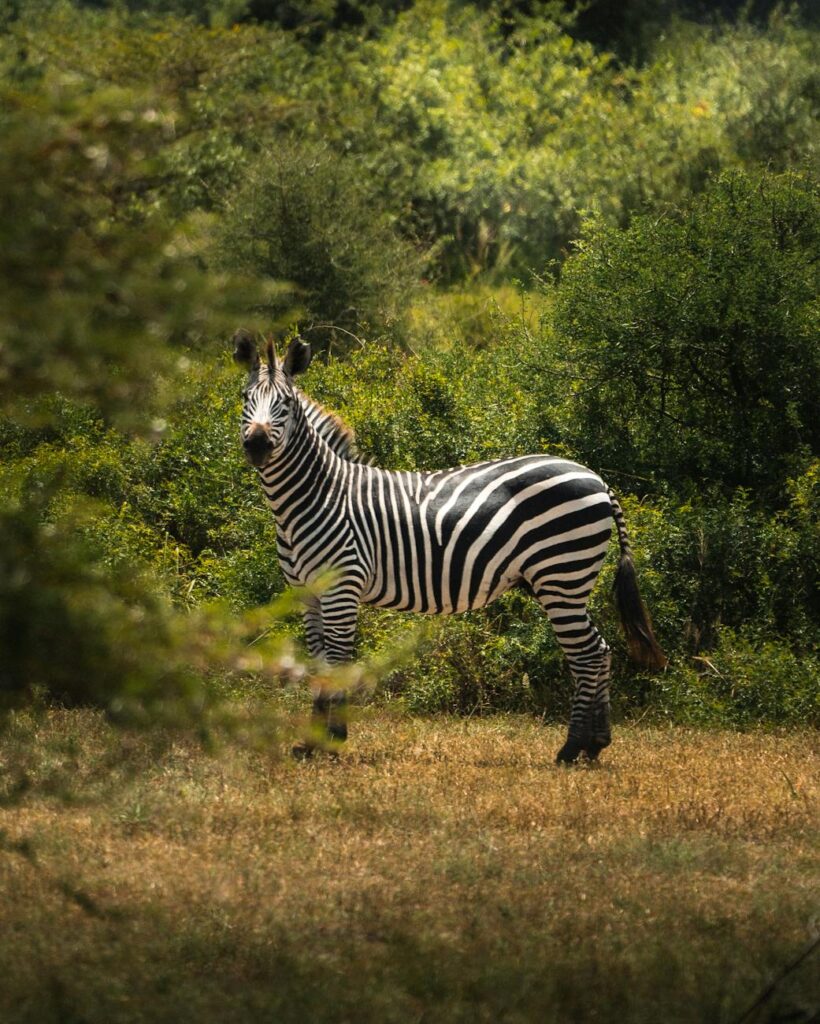
Tarangire is particularly famous for its elephant population, which is among the largest in the world. You’ll also find lions, zebras, giraffes, wildebeest, and an extraordinary variety of bird species exceeding 550. The iconic baobab trees scattered across the landscape make it a photographer’s paradise.
Accommodation options: Bush camps, tented lodges, and mid-range safari lodges are all available near the park gates.
—
Days 9–10: Ngorongoro Crater — Wildlife in a Volcanic Bowl
No Tanzania travel guide would be complete without emphasizing the wonder of the Ngorongoro Conservation Area. The crater itself is the world’s largest intact volcanic caldera, stretching roughly 260 square kilometers and sheltering an extraordinary density of wildlife within its walls.
Descend into the crater at sunrise for a full-day game drive. You’ll likely spot the Big Five — lion, elephant, leopard, buffalo, and rhino — along with flamingos wading in the soda lake and hippos wallowing in pools. The crater is one of the few places in East Africa where black rhinos can still be reliably seen.
Don’t miss: Olduvai Gorge, just a short detour from Ngorongoro, where some of the earliest hominid fossils were discovered. It’s a powerful, humbling experience.
—
Days 11–12: Serengeti National Park — The Greatest Show on Earth
From Ngorongoro, it’s a scenic drive through the Serengeti’s golden plains to your safari camp. The Serengeti is Tanzania’s crown jewel and one of the most iconic national parks in the entire world. The sheer scale of it — 14,763 square kilometers — means there’s always something new to discover.
What to expect in the Serengeti:
– Morning and evening game drives in open-top 4×4 vehicles
– Potential sightings of cheetahs, wild dogs, and hyenas
– Balloon safaris at dawn (available for an extra cost)
– The Great Migration if you’re visiting between July and October
The timing of your Serengeti visit will influence what you see. From December to March, the southern Serengeti is alive with calving season — thousands of wildebeest calves are born and predators follow. From July onward, the drama moves north toward the Masai Mara in Kenya.
Tanzania safari and beach travelers often note that two days in the Serengeti feels too short — and they’re right. If time allows, add an extra night.
—
Tanzania Safari and Beach: Transitioning to Zanzibar
Days 13–14: Zanzibar — The Spice Island Finale
After the dust and excitement of the safari, there’s no better way to close out your Tanzania itinerary 2 weeks than with two days on Zanzibar. Fly from the Serengeti to Zanzibar (via Arusha or Dar es Salaam) and prepare for a complete change of pace.
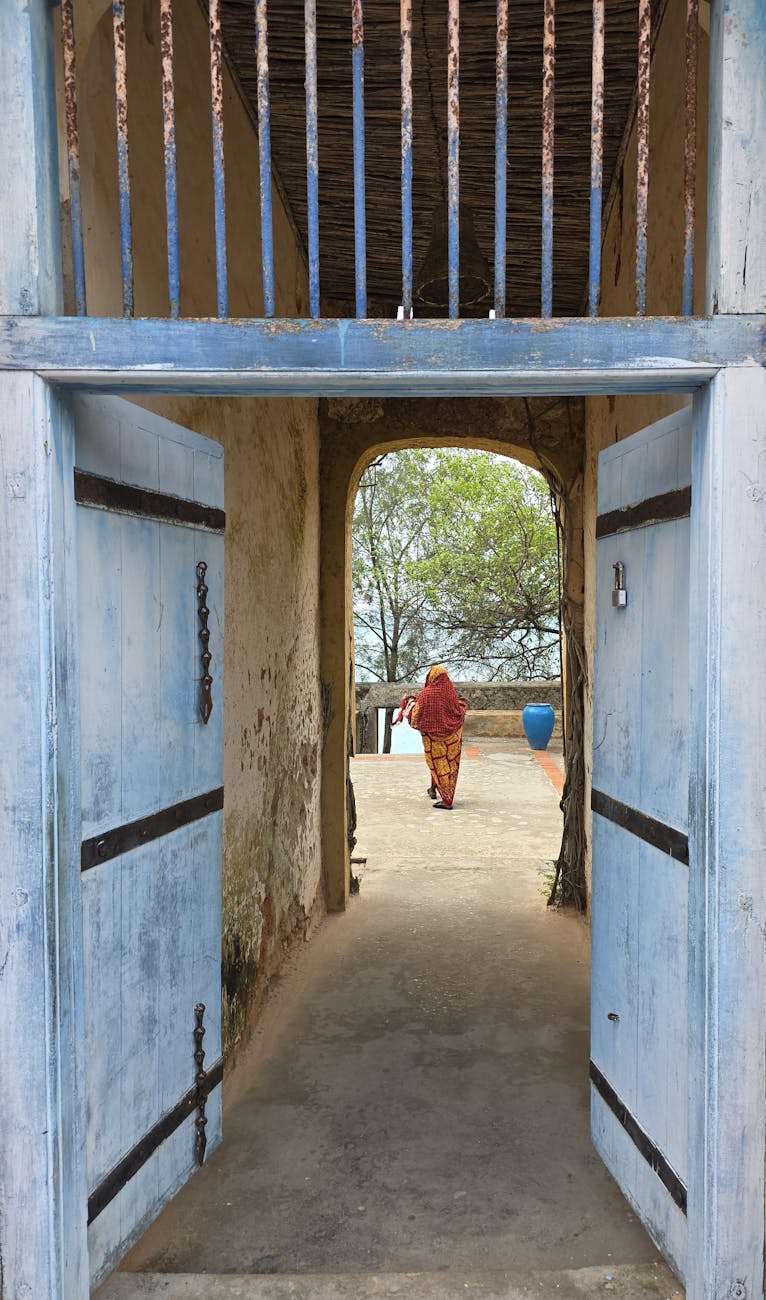
Stone Town is your first stop — a UNESCO World Heritage Site and one of the best-preserved Swahili trading cities in the world. Wander through narrow winding alleys, visit the historic Sultan’s Palace, browse the fragrant spice markets, and dine on fresh seafood at the waterfront Forodhani Gardens night market.
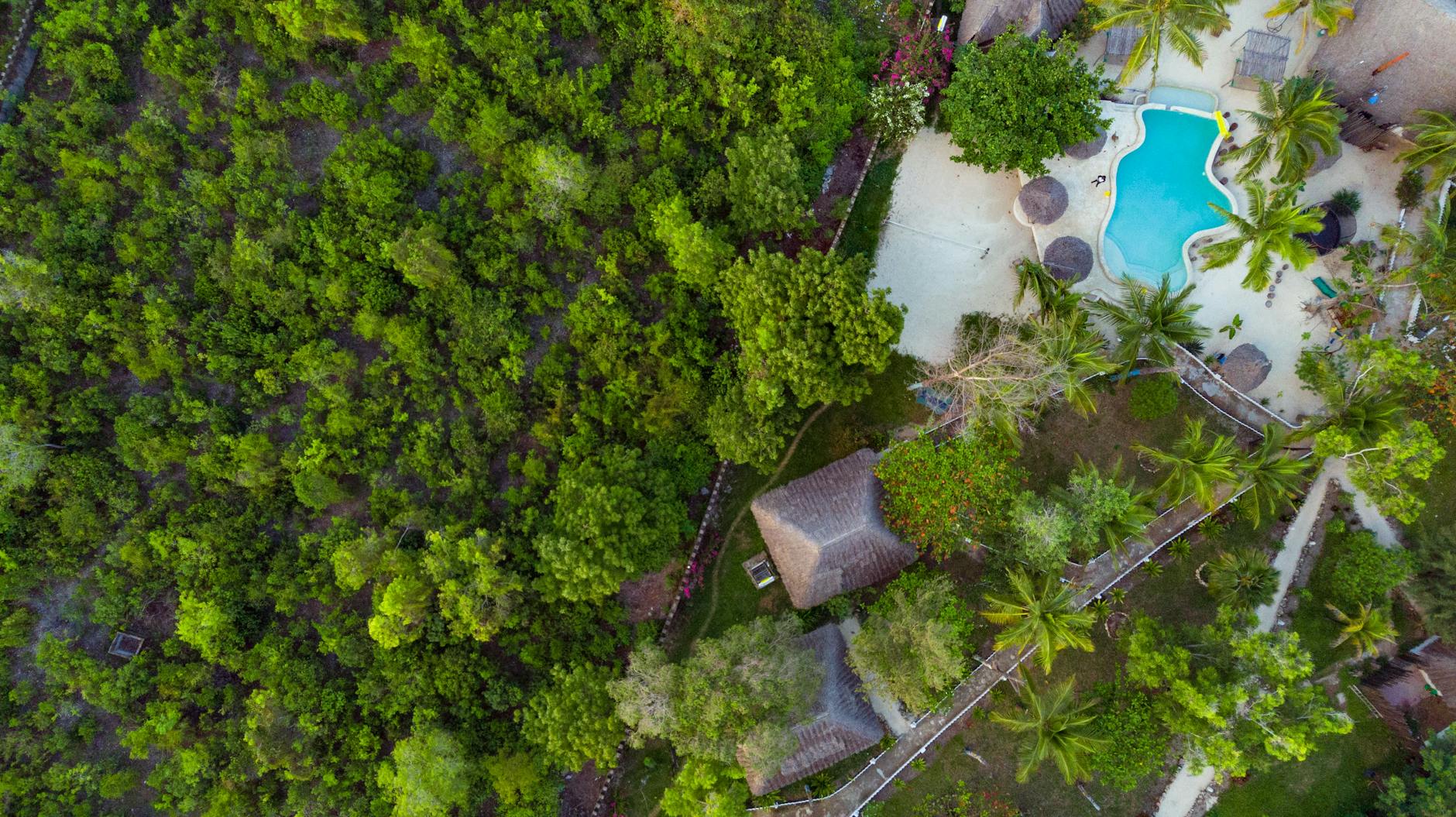
Then head to the beaches. The east coast of Zanzibar — particularly Nungwi, Kendwa, and Paje — offers some of the most stunning turquoise waters and white sand in East Africa. Snorkel or dive in the coral reefs, watch dhow sailboats drift across the horizon, or simply do nothing at all.
Zanzibar is the perfect reward after an intense two weeks of trekking and game drives.
—
Best Places to Visit Tanzania: A Quick Reference
For travelers still planning their routes, here’s a summary of the best places to visit in Tanzania depending on your interests:
| Interest | Destination |
|—|—|
| Wildlife Safari | Serengeti, Tarangire, Ngorongoro |
| Trekking & Adventure | Mount Kilimanjaro, Mount Meru |
| Beach & Relaxation | Zanzibar, Pemba Island, Mafia Island |
| Culture & History | Arusha, Stone Town Zanzibar, Olduvai Gorge |
| Birdwatching | Lake Manyara, Tarangire, Rubondo Island |
—
Practical Tips for Your Tanzania Trip
Visas: Most nationalities can obtain a tourist visa on arrival or through the e-visa portal online. Always check current requirements before traveling.
Health: Yellow fever vaccination is recommended. Malaria prophylaxis is strongly advised, especially for safari regions.
Best Time to Visit: The dry season from June to October is ideal for game viewing. January to March is excellent for the calving season and fewer crowds.
Currency: The Tanzanian Shilling (TZS) is the official currency, but US dollars are widely accepted in tourist areas. Bring small bills.
Language: Swahili (Kiswahili) is the national language. A few basic phrases — “Habari” (Hello), “Asante” (Thank you), “Pole pole” (Slowly) — will earn you warm smiles everywhere.
—
Final Thoughts
Tanzania is a country that gets under your skin. The scale of the wildlife, the warmth of the people, the snow-capped summit of Kilimanjaro glowing at sunrise, the scent of cloves drifting through Stone Town — it all adds up to an experience that stays with you for a lifetime. Two weeks gives you just enough time to weave together the best of Africa’s wild heart and its tropical soul.
Plan well, travel responsibly, and get ready for the adventure of a lifetime.