Discover Norway’s Capital: Museums, Vikings & Waterfront Magic
Oslo travel guide essentials start with one powerful truth: this city defies expectations at every turn. Nestled between the shimmering Oslofjord and forested hills, Norway’s vibrant capital blends Viking heritage with cutting-edge modern architecture, world-class museums, and a waterfront culture that practically demands you slow down and soak it all in. Whether you’re planning a weekend escape or a full Scandinavian adventure, Oslo rewards curious travelers with depth, beauty, and surprising accessibility.
—
Why Oslo Should Be on Every Traveler’s Radar
Oslo often gets overshadowed by Copenhagen or Stockholm in Scandinavian travel conversations, but those who skip it are missing something genuinely special. The city consistently ranks among the cleanest, safest, and most livable cities in the world. It’s compact enough to explore on foot or by bicycle, yet rich enough in culture and history to keep you occupied for a full week.
The Norwegian capital is also a city of contrasts. You’ll find ancient Viking artifacts sitting just kilometers away from futuristic opera houses. Cozy neighborhoods filled with independent coffee shops exist alongside sleek contemporary galleries. This dynamic energy is what makes any well-crafted Oslo itinerary Norway travelers follow so endlessly satisfying.
—
Oslo Museums: A Journey Through Time and Art
If there’s one category where Oslo truly excels, it’s museums. The city punches well above its weight in terms of cultural institutions, and many of Oslo’s best museums are surprisingly affordable — especially if you invest in the Oslo Pass, which covers public transport and free entry to over 30 attractions.
The Viking Ship Museum (Vikingskipshuset)
No visit to Oslo is complete without encountering the Vikings. The Viking Ship Museum on the Bygdøy Peninsula houses three remarkably well-preserved Viking ships dating back over 1,000 years. The Oseberg ship, discovered in 1904, is the star of the collection — an intricately carved wooden vessel buried as a tomb for two women of high status. Standing beside it is genuinely humbling. The museum also displays sledges, textiles, and household items that paint a vivid picture of Viking daily life.
Pro tip: The museum is currently undergoing renovation and expanding into the new Viking Age Museum (Vikingtidsmuseet), so check opening status and hours before your visit.
The Fram Museum
Also located on Bygdøy, the Fram Museum is one of Oslo’s most thrilling Oslo museums experiences. It houses the Fram — the world’s strongest wooden ship — which carried Norwegian explorers to both the Arctic and Antarctic. You can actually walk aboard the vessel and feel the claustrophobic reality of polar exploration. It’s interactive, inspiring, and deeply moving.
The National Museum (Nasjonalmuseet)
Opened in 2022, the new National Museum of Norway is the largest art museum in the Nordic region. Its crown jewel? Edvard Munch’s iconic painting The Scream, displayed in a specially dedicated room with thoughtful lighting and context. But the collection goes far beyond Munch — it spans Norwegian and international art, architecture, and design across centuries. Budget at least two to three hours here.
The Munch Museum (MUNCH)
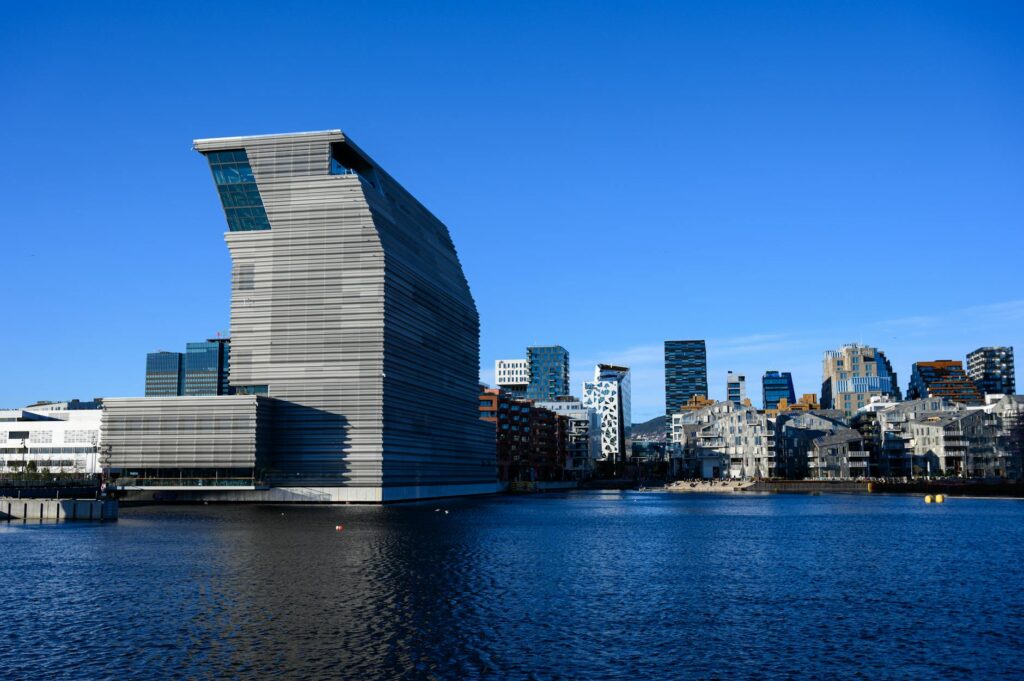
For Munch enthusiasts, the dedicated MUNCH museum in the Bjørvika waterfront district is unmissable. The towering, slightly tilted building is itself a visual statement. Inside, the collection holds thousands of Munch’s works — paintings, drawings, and prints — offering an unparalleled look into the mind of Norway’s most celebrated artist.
—
Things to Do in Oslo Beyond the Museums
While the museums are exceptional, the list of things to do in Oslo extends far beyond gallery walls. Oslo is an outdoor city at heart, and its residents embrace nature and the waterfront lifestyle with infectious enthusiasm.
Explore the Aker Brygge and Tjuvholmen Waterfront
The revitalized Aker Brygge neighborhood is Oslo’s most glamorous waterfront district. Former shipyard buildings have been transformed into restaurants, bars, boutiques, and apartments facing the glittering Oslofjord. On sunny days, locals sprawl across the docks with coffee and pastries, watching ferries glide toward the islands.
Adjacent Tjuvholmen is even more architecturally adventurous, crowned by the Astrup Fearnley Museum of Modern Art — a Renzo Piano-designed masterpiece that seems to float on the water’s edge. Even if you don’t go inside, the outdoor sculpture park and the building’s exterior are worth the walk.
Take a Ferry to the Oslofjord Islands
Just minutes from the city center, the Oslofjord islands are a local secret worth sharing. Ferries depart regularly from the Aker Brygge pier to islands like Hovedøya, Gressholmen, and Langøyene. These car-free escapes offer swimming coves, medieval ruins, open-air cafés, and panoramic views back toward the Oslo skyline. In summer, this is where Oslo breathes.
Walk or Cycle the Akerselva River Trail
Following the Akerselva River from its mouth near the fjord all the way up through the city is one of Oslo’s great urban adventures. The trail passes through old industrial neighborhoods now full of street art, independent breweries, and lively weekend markets. It’s a perfect way to experience Oslo’s transformation from an industrial past into a creative, forward-thinking city.
Visit the Oslo Opera House
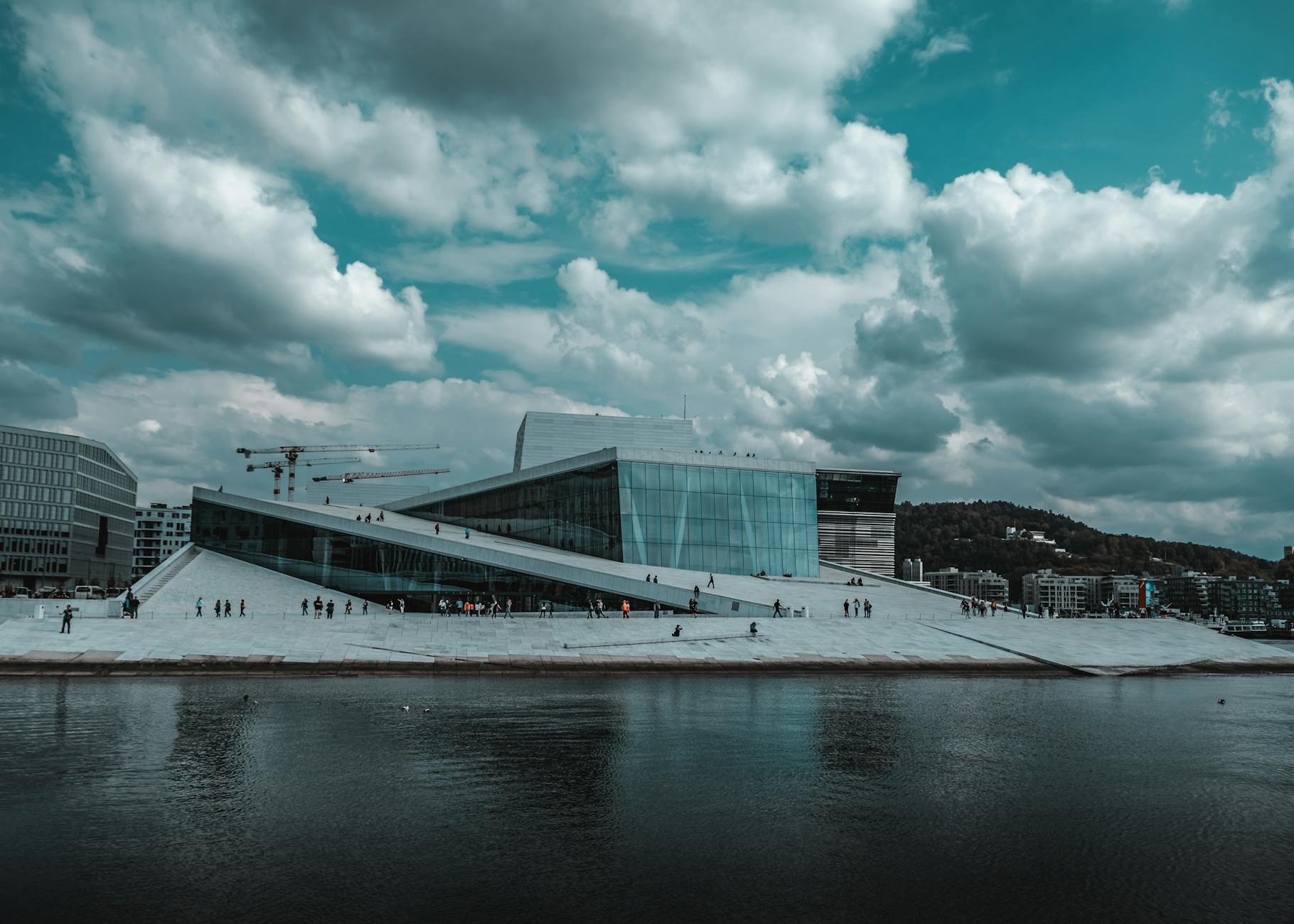
The Snøhetta-designed Oslo Opera House at Bjørvika is not just a cultural venue — it’s a public gathering place. Its sloping white marble and granite exterior descends directly into the fjord, and visitors are actively encouraged to walk across the roof. On a clear day, the views of the fjord, the islands, and the surrounding cityscape are breathtaking.
—
Building Your Oslo Itinerary: A Practical Guide
A thoughtful Oslo itinerary Norway first-timers can follow should ideally span three to four days. Here’s a simple framework:
Day 1: Arrive, explore the city center, walk to the Opera House, and stroll along the Aker Brygge waterfront. End the evening at one of the fjordside restaurants.
Day 2: Dedicate the morning to the National Museum and the afternoon to the MUNCH museum. Evening drinks in the Grünerløkka neighborhood.
Day 3: Full day at Bygdøy — visit the Viking Ship Museum and the Fram Museum. Take the scenic ferry there if possible.
Day 4: Ferry trip to the Oslofjord islands in the morning, afternoon walk along Akerselva, and a farewell dinner in Tjuvholmen.
—
Practical Tips for Visiting Oslo
Oslo has a well-deserved reputation for being expensive, but smart planning minimizes costs considerably:
– Oslo Pass: Covers transport and museum entry — excellent value for museum-heavy itineraries.
– Free museums: The Vigeland Sculpture Park (home to Gustav Vigeland’s remarkable bronze and granite figures) is completely free.
– Food strategy: Lunch deals at local restaurants are far more affordable than dinners. Street food markets, especially Mathallen Oslo, offer quality bites without the premium price tag.
– Getting around: Oslo’s tram and metro network is efficient and easy to navigate. Cycling is also excellent — the city has dedicated bike lanes throughout.
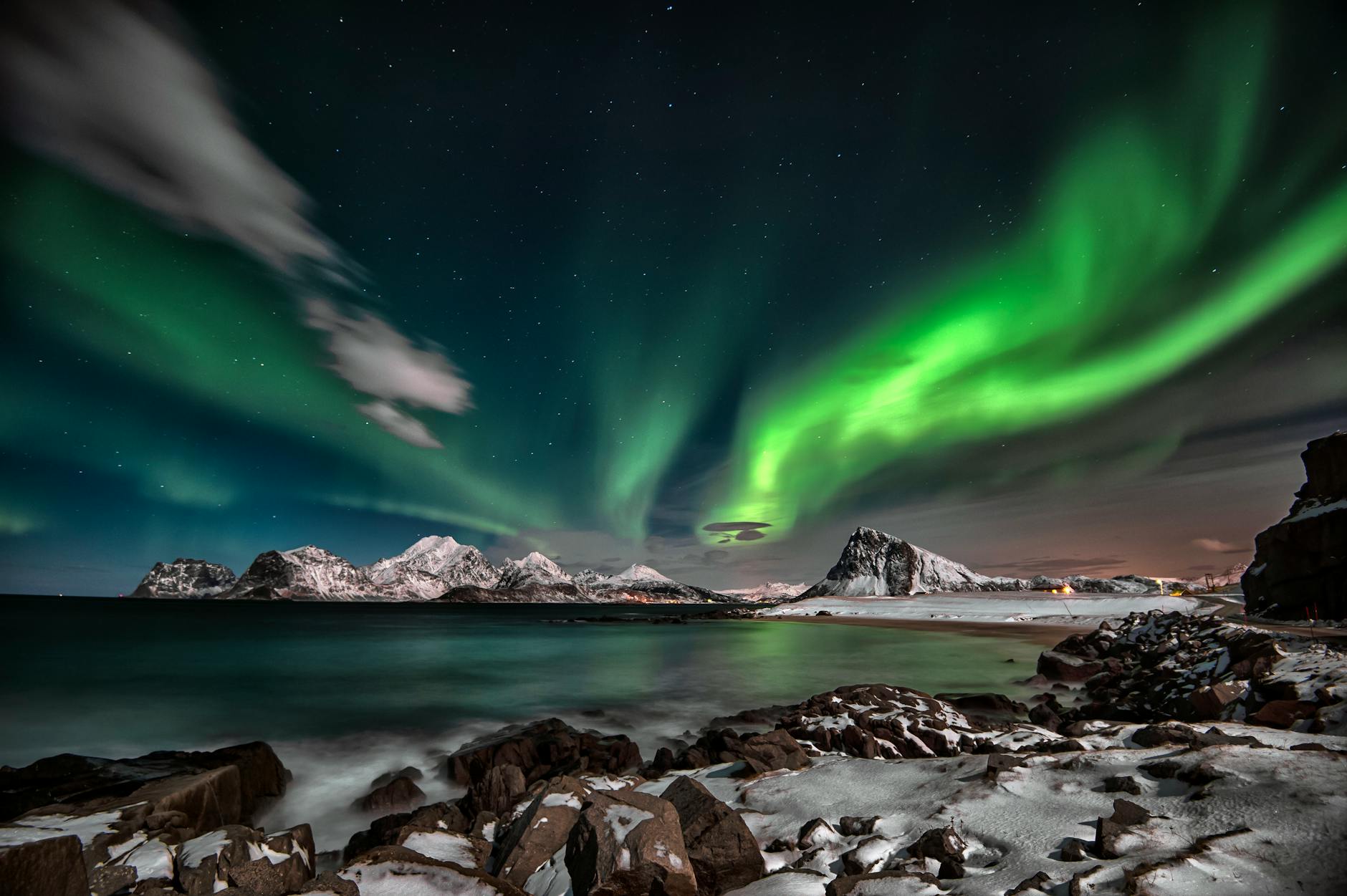
– Best time to visit: Late May through August offers long daylight hours and vibrant outdoor culture. Winter brings a cozy, magical atmosphere, Christmas markets, and potential Northern Lights sightings if you venture slightly outside the city.
—
Final Thoughts
Oslo is a city that rewards those who look beyond the surface. It’s home to some of Europe’s most significant Viking artifacts, world-class modern art, and a waterfront lifestyle that feels effortlessly Scandinavian. From the haunting gaze of Munch’s figures to the towering prows of ancient Viking ships, from island hopping on the Oslofjord to watching the sun set over the marble roof of the Opera House — Oslo delivers moments that stay with you long after you’ve returned home.
Pack your curiosity, invest in a good pair of walking shoes, and let Norway’s extraordinary capital surprise you.